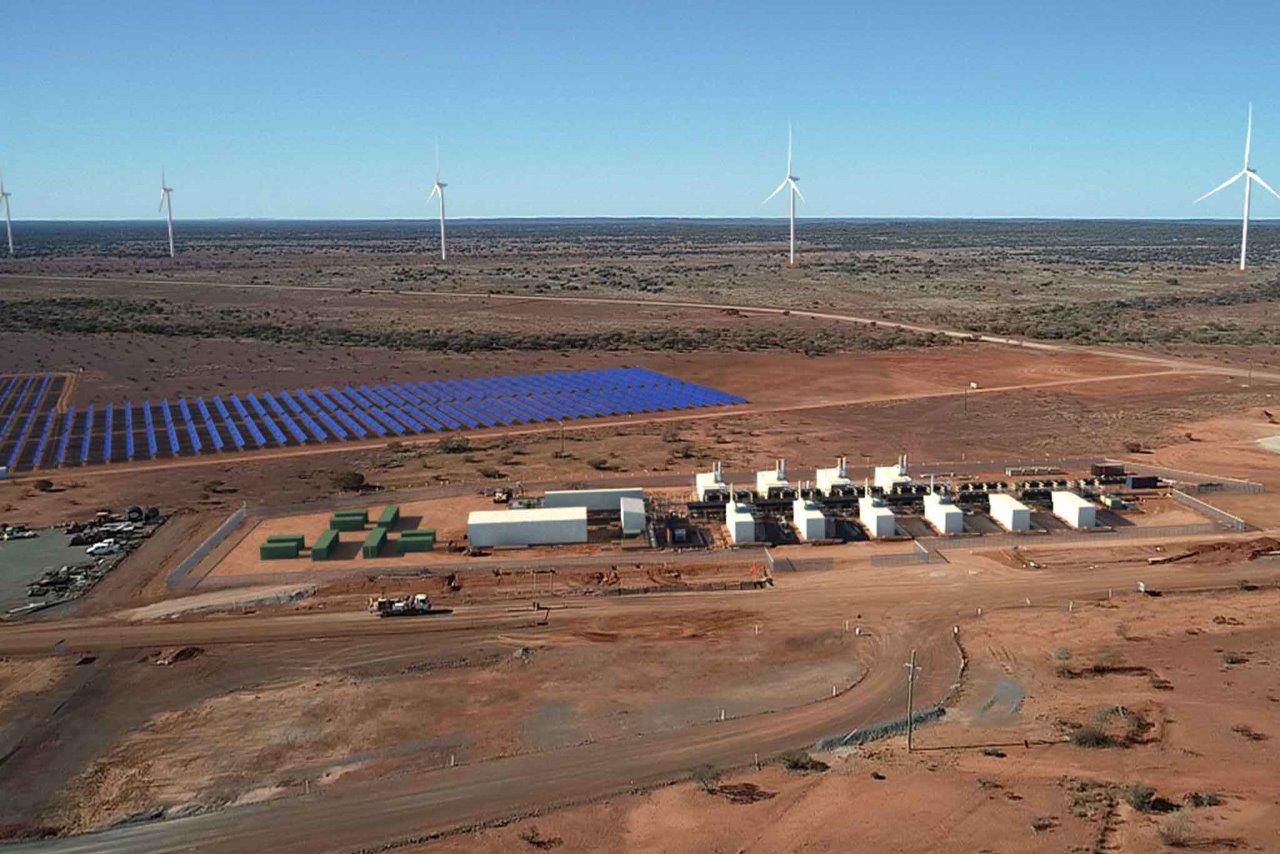
Battery Energy Storage Systems (BESS) is a rapidly developing sector, and is now at a similar stage to where rooftop solar power was a decade ago. As the transformation of the energy sector accelerates, the potential and role for various forms of energy storage is growing rapidly. A summary from an industry commentator, put it as follows;
The brain cells are working overtime at the headquarters of network owners, grid operators, generators, and regulators. Australia’s electricity grid is about to make the leap from analogue to digital, and everyone is scrambling to keep up.
Ever since the opening of the Tesla big battery next to the Hornsdale wind farm in South Australia in early 2018, it is as though a new era has dawned for the management of Australia’s electricity supply.
This is not just about flexibility, smoothing out renewables, or responding to peak demand and speed of response – it is also about grid security and grid stability. And it is causing a massive re-think.
Here’s why:
There is now no doubt that wind and solar will provide the cheapest form of electricity supply, in Australia, and most other countries, now and into the future.
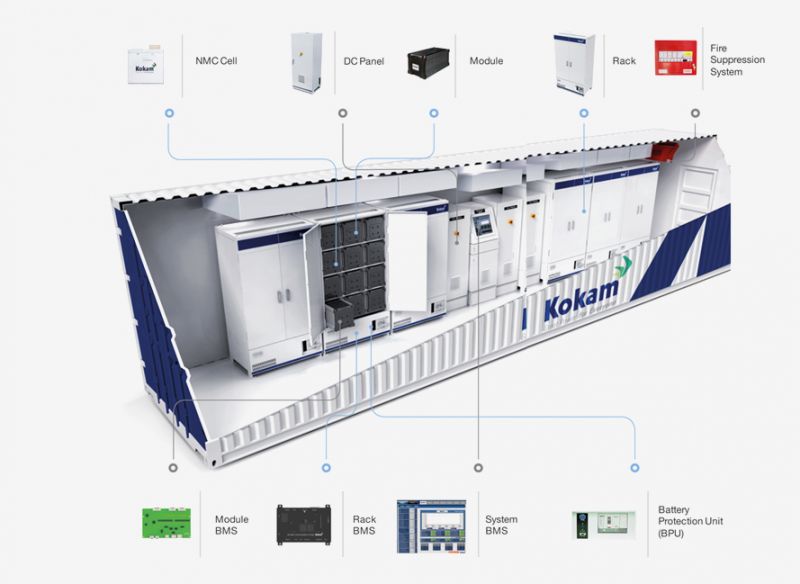
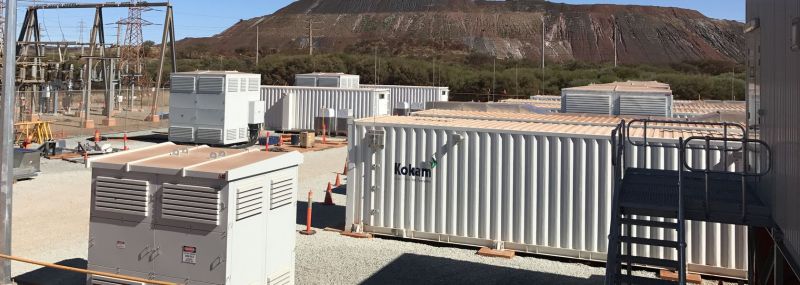
The preliminary design given its smaller utility scale is proposing to use the Kokam battery energy storage system as its design example and further details can be read here. A picture real world example is shown below.
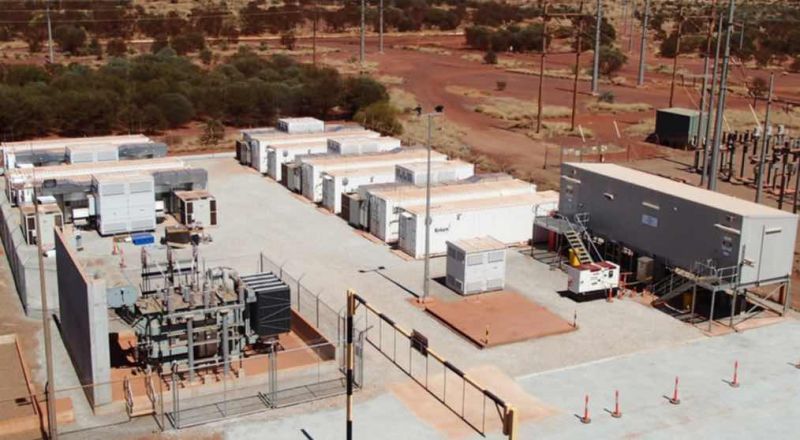
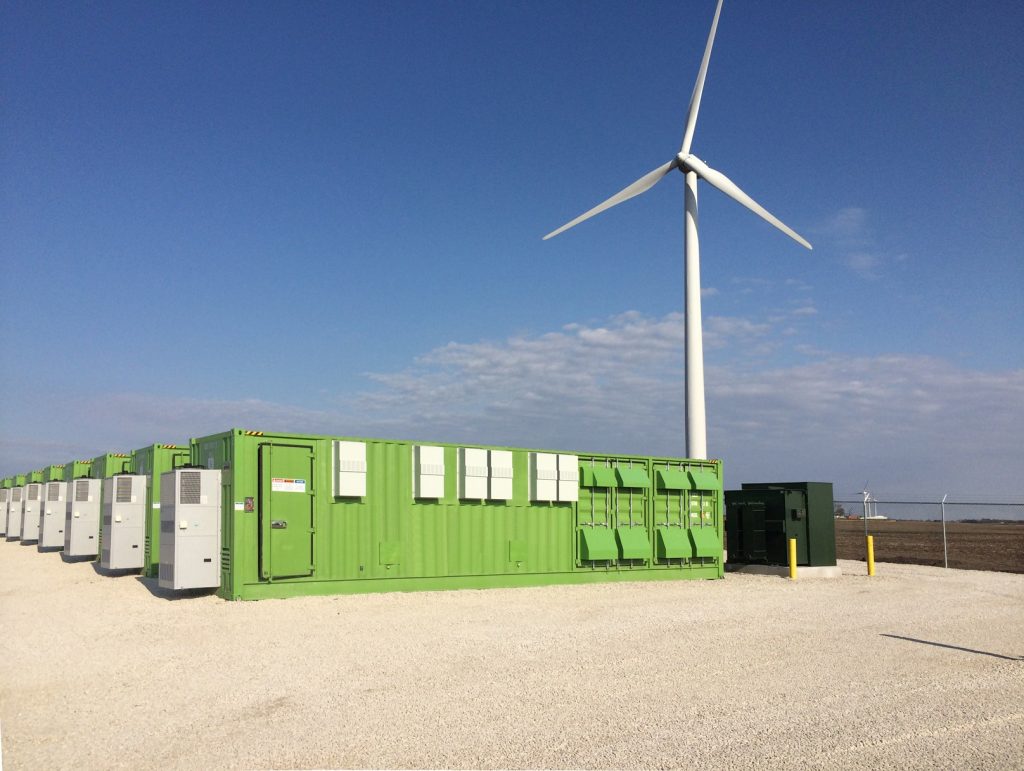
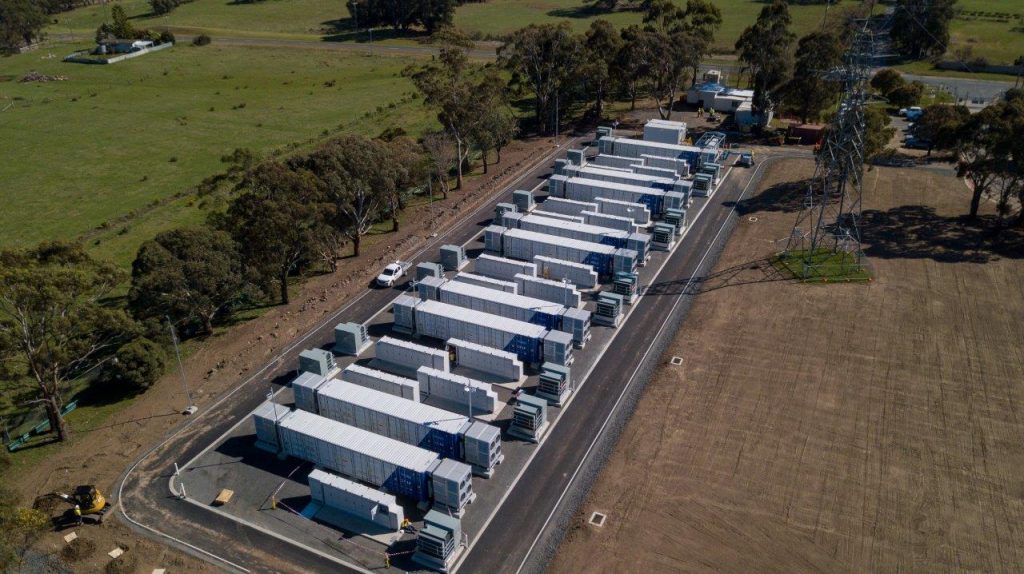
The BESS is considered as part of the wind farm planning application given its practical colocation within the wind farm substation. See the Planning page for more details.